

The Village Garden: How to Support Freshness and Sustainable Luxury
Chef's Garden offers farm-to-table dining with a sustainable twist. Ingredients are organically grown in our circular garden, creating fresh, flavorful dishes with minimal environmental impact. Perfect for halal food lovers and eco-conscious diners, Chef's Garden is a must-visit for anyone seeking the best restaurants in Lombok.
Welcome to The Village Garden at Selong Selo, where we redefine dining with a harmonious blend of sustainability, freshness, and culinary artistry. Our farm-to-table approach ensures every dish is a celebration of nature’s bounty and eco-friendly practices.
Let’s explore the key initiatives behind the The Village Garden and how it is a circular economy in action.
What is Farm-to-Table Dining?
Farm-to-table dining connects diners directly to the source of their meals. At The Village Garden, this means our produce is organically grown on-site, harvested at peak freshness, and transformed into mouthwatering dishes. By reducing reliance on external suppliers, we minimize our carbon footprint and contribute to a more sustainable future.

KEY INITIATIVES OF THE CHEF’S GARDEN
1. Natural farming
The Village Garden grows a diverse array of vegetables and herbs that provide fresh, healthy ingredients for Aura Restaurant. We avoid harmful chemicals and pesticides, allowing the land to regenerate naturally. This practice keeps our produce free of synthetic fertilizers and helps reduce the need for external purchases.
By sourcing ingredients on site, we lower our carbon footprint and eliminate plastic waste from packaged goods. This cycle of growing and serving fresh produce closes the loop from soil to plate. It promotes health, sustainability, and flavour in every dish.
Key Benefits:
- Fewer Emissions: Locally grown produce eliminates the need for transportation. This cuts down on fuel and greenhouse gas emissions.
- No Plastic Waste: By sourcing directly from our garden, we avoid plastic packaging, reducing waste.
- Chemical-Free: Organic farming ensures healthier, pesticide-free food while regenerating the soil.

2. Zero waste
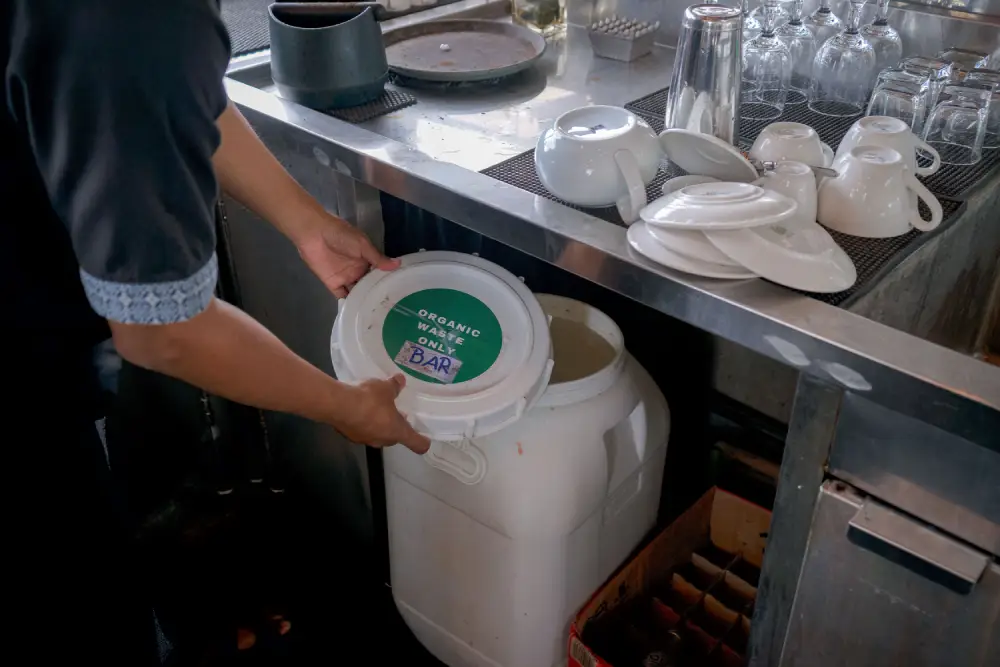
At the heart of The Village Garden is a circular waste management system. Here, we reuse, repurpose, and recycle everything. Kitchen scraps either become chicken feed, support the cultivation of black soldier fly larvae, or become compost. The byproduct of this process is a liquid that we use as a natural fertilizer for the garden.
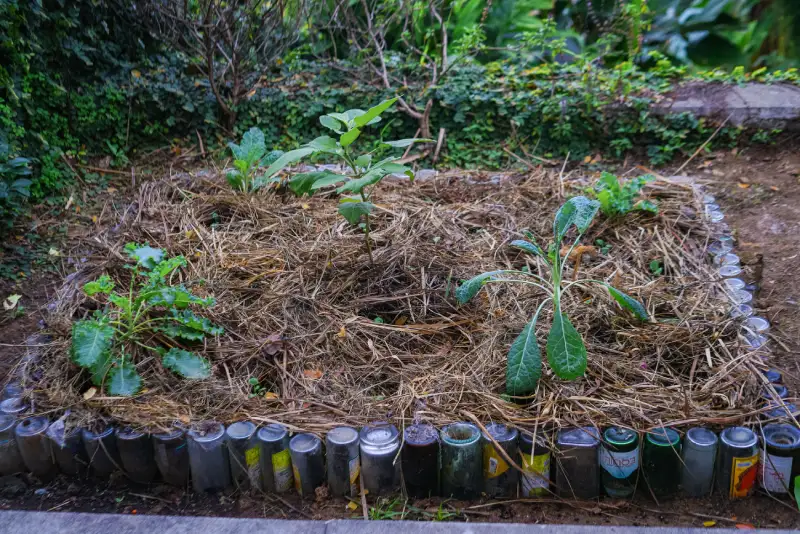
We even repurpose garden clippings and prunings as chicken bedding, as well as reusing old wine bottles as functional garden bed edges. This closed-loop system minimizes waste and helps improve soil fertility without relying on external resources.
Key Benefits:
- Waste Reduction: The circular waste management system minimizes landfill contributions.
- Soil Enrichment: Composting organic waste nourishes the soil as well as enhances fertility naturally.
3. Water conservation
Lombok’s dry season can be harsh. The Village Garden uses advanced water conservation techniques. Mulching—covering the soil with organic material like dry leaves—plays a key role in reducing evaporation and retaining moisture. This allows the garden to flourish with just two waterings per week. Our use of mulch conserves water and enriches the soil, which helps plants stay healthy during the driest periods.
In addition to mulching, we also recycle wastewater to make the most of every drop. Black water from toilets is treated in a bio-septic tank with decomposing bacteria and then used to water our organic compost made from garden prunings, weeding, and mowing. Grey water from the bar and kitchen is then processed through an aerated grease trap installation, followed by a wetland filtration pond and, finally, the treated water is used to irrigate the garden.
This closed-loop system ensures that water is conserved, recycled, and reused efficiently, which protects natural water resources and enriching the soil.
Key Benefits:
- Water Conservation: Mulching and recycled wastewater significantly reduce the strain on natural water resources.
- Ecosystem Resilience: The garden helps stabilize local ecosystems and supports biodiversity by maintaining plant health during dry spells.
- Soil Enrichment: Treated black water nourishes organic compost and enhances soil health.
4. Biodiversity in action
The Village Garden goes beyond growing food; it is also a thriving ecosystem that supports local biodiversity. By growing a variety of crops alongside wildflowers and native plants, we create an inviting habitat for local wildlife, especially pollinators like bees, birds, and butterflies.
We use organic, chemical-free farming practices, which ensures the garden remains a safe space for insects, birds, and other wildlife. This approach not only fosters pollination, but also enhances the health of the plants and the creatures living around them.
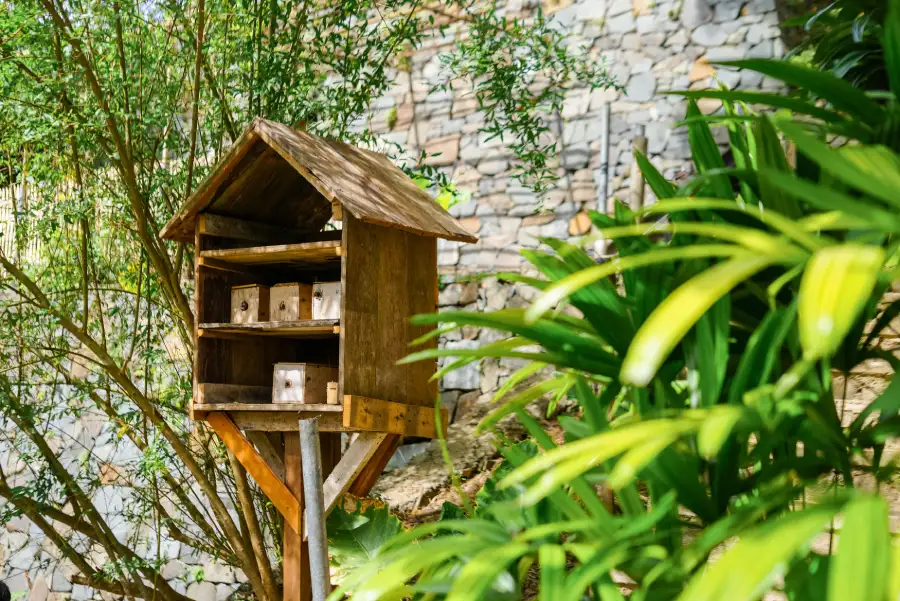
To further support these vital creatures, we have installed bee houses. We ensure that these pollinators have a safe space to thrive by offering refuge, . This biodiversity-friendly approach helps maintain the balance of the local ecosystem, as well as ensuring that plants, animals, and insects all benefit from the space.
Key Benefits:
- Healthy Ecosystem: Organic farming promotes natural growth without the use of harmful pesticides or chemicals, as well as preserving the local flora and fauna.
- Pollinator Support: By encouraging biodiversity, we create an environment that supports pollinators like bees, which are essential for a healthy garden and beyond.
5. Community impact
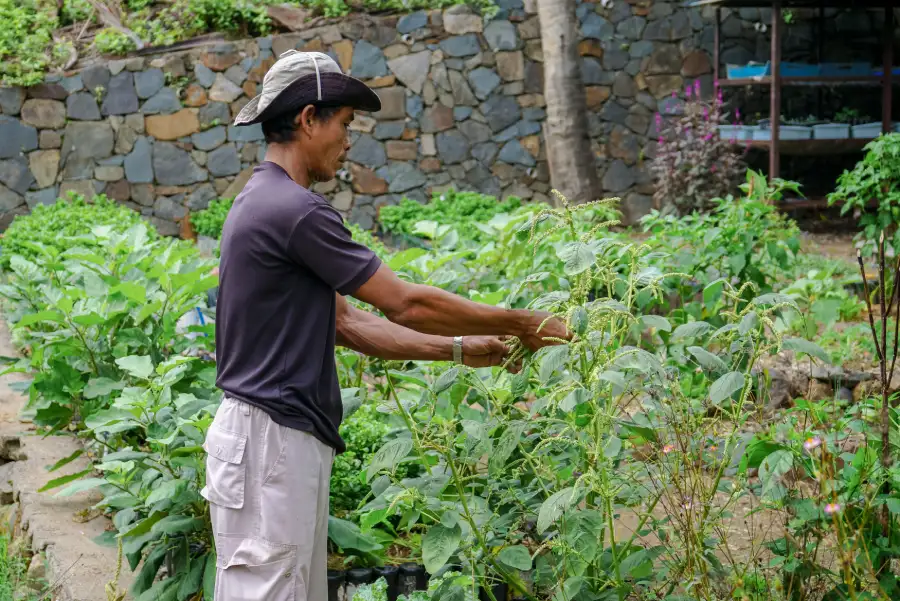
Finally, the Village Garden contributes to the local ecosystem and positively impacts the surrounding community. Our garden serves as a vital source of fresh, high-quality produce for local residents. When we have surplus eggs, vegetables, or herbs, we sell them to the local community at affordable prices.
The revenue generated from these sales is reinvested into community projects and initiatives, which creates a positive feedback loop that benefits all. Through the Selo Footprints Foundation, these proceeds also help fund educational programs, support regenerative agroforestry, and promote sustainable land management practices in Lombok, in partnership with World Relief Australia (WRA). This means that the garden not only benefits the resort, but also fosters a positive impact on the local environment and community.
Additionally, we create employment opportunities for local gardeners, stimulate the local economy, and provide valuable training in sustainable farming and eco-friendly practices. By investing in our community, we strengthen the ties between our garden and the people we serve.
Key Benefits:
- Community Empowerment: Local residents have access to fresh, organic produce at affordable prices, improving food security.
- Economic Empowerment: Revenue from surplus produce supports local community projects and initiatives, which creates a positive feedback loop that also enhances community welfare.
- Job Creation: By providing employment opportunities for local gardeners, we stimulate the local economy and also equip individuals with skills in sustainable farming and eco-friendly practices.
See also: Selong Selo’s Sustainability Initiatives
EMBRACING A CIRCULAR ECONOMY
Unlike the traditional linear economy, which follows a “take, make, dispose” model, The Village Garden operates within a circular economy, in which we reuse and repurpose everything, creating a closed-loop system. Nothing goes to waste.
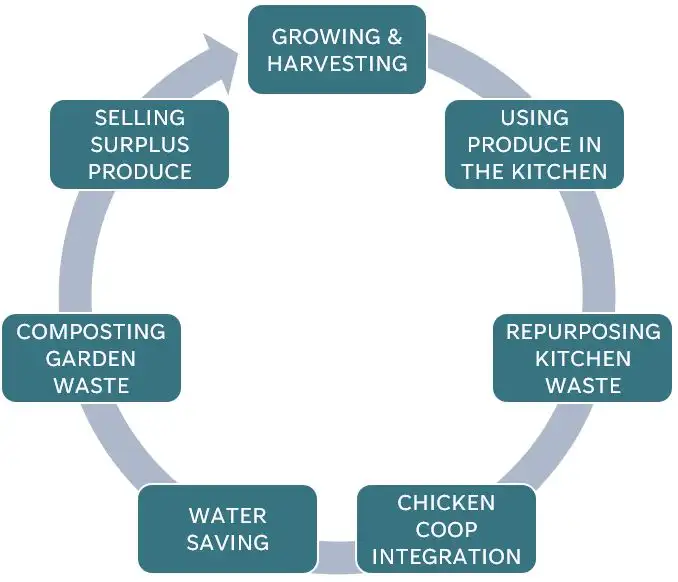
- Growing & Harvesting: We start by growing vegetables and herbs in the Village Garden.
- Using Produce in the Kitchen: We then use the freshly harvested produce in dishes at Aura Restaurant, ensuring farm-to-table freshness.
- Recycling Kitchen Waste: Kitchen scraps are put to good use by being fed to the chickens, given to black soldier fly larvae, or composted in closed-bin composters. We then use the liquid from this composting process as natural fertilizer for the garden.
- Chicken Coop Integration: Our chickens contribute to a circular system by providing natural fertilizer, enhancing soil quality. Garden prunings and clippings serve as chicken bedding, which we turn into compost to enrich the garden soil further.
- Water Conservation: We recycle wastewater efficiently. We treat Black water in a bio-septic tank and use it to water compost. Meanwhile, we filter grey water through an aerated system and wetland pond before irrigating the garden. Mulching also helps retain soil moisture, reducing the need for frequent watering.
- Composting Garden Waste: We compost any remaining garden waste and return it to the soil, ensuring nutrient-rich soil for the next growing cycle.
- Selling Surplus Produce: We sell surplus vegetables and eggs from the kitchen to the local community, and reinvest the revenue into local initiatives, creating a cycle that benefits both the environment and the community.
WHY OUR APPROACH MATTERS
By combining a garden-to-table dining experience with a commitment to sustainability, the Village Garden is making a tangible impact on both the environment and the local community. Our approach not only reduces our resort’s carbon footprint and waste, but also fosters a sustainable, closed-loop economy that benefits everyone involved.
From reducing plastic waste to promoting biodiversity and supporting local projects, the Village Garden is more than just a source of fresh produce. It is a symbol of our dedication to a sustainable future. We’re proud to operate in harmony with nature while creating meaningful connections with our local community, all within a circular economy that ensures every resource is put to good use.
Join us in experiencing the Village Garden first-hand at Aura Restaurant, where every dish is a testament to the power of sustainability.
Check out more Local Eco-Tourism Activities in Lombok
FAQs
- What is farm-to-table dining at The Village Garden in Lombok?
- At The Village Garden, farm-to-table dining means every ingredient is grown sustainably in our organic gardens, ensuring the freshest flavors and minimal environmental impact.
- Does The Village Garden serve halal food?
- Yes, The Village Garden offers halal-friendly menu options, making it one of the best choices for halal food in Lombok.
- Why is The Village Garden considered eco-friendly?
- The Village Garden minimizes waste and uses organic, locally sourced produce, supporting sustainable tourism in Lombok.